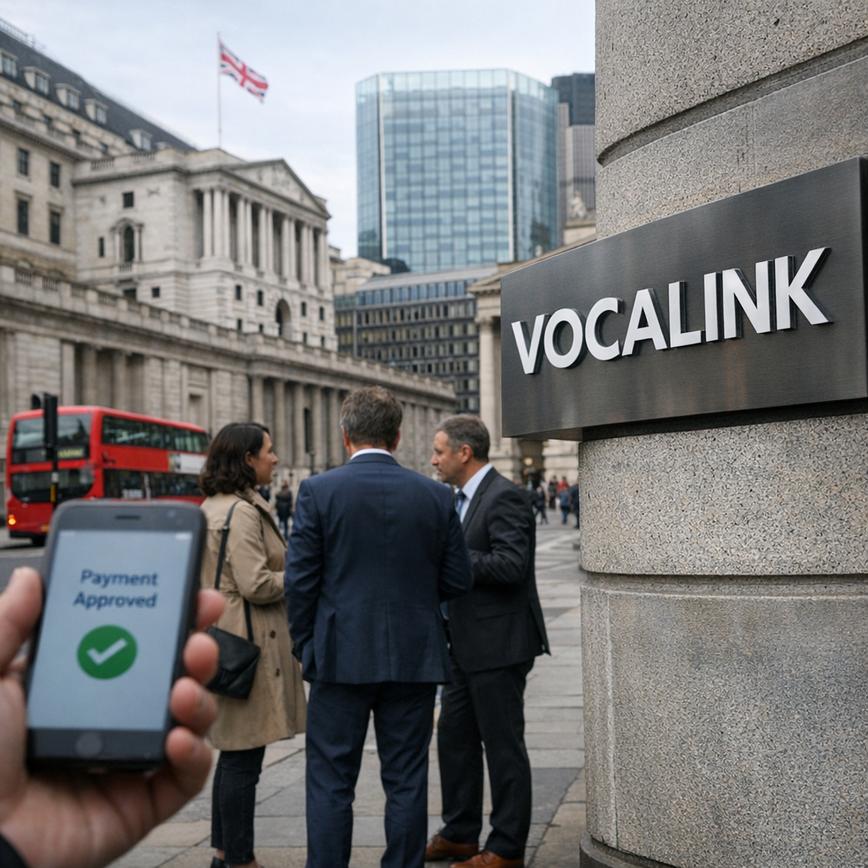
Mastercard is exploring a sale of Vocalink, the UK’s real-time payment backbone.
This isn’t just a portfolio reshuffle. It signals a strategic retreat from owning the critical national infrastructure that powers instant payments for millions of consumers and businesses. If Mastercard steps back, the natural buyer is the banking consortium that originally built Vocalink.
For European PSPs and EMIs watching SEPA Instant adoption, this creates a clear tension. Banks regaining control over the rail means they can dictate the commercial terms, the feature set, and the integration path. That’s a direct challenge to the open, standardised model that account-to-account (A2A) schemes like Wero and EPI are trying to establish.
According to Frederic Yves Michel NOEL, this move could accelerate fragmentation, not consolidation. If each major market’s real-time infrastructure ends up owned by its domestic banks, cross-border instant payments become a bilateral negotiation problem again. The very problem SEPA was designed to solve.
For merchants and PSPs relying on instant payment rails for settlement speed or cash flow, the key question is who sets the rules. A bank-owned rail has different incentives than a scheme-owned one.
For payment teams planning their A2A strategy, where do you see the bigger risk: a fragmented European landscape of bank-controlled rails, or a slower adoption of pan-European schemes like Wero?
#SEPA #InstantPayments #A2A #PaymentInfrastructure #PSP #Fintech #Payments
Comments are closed