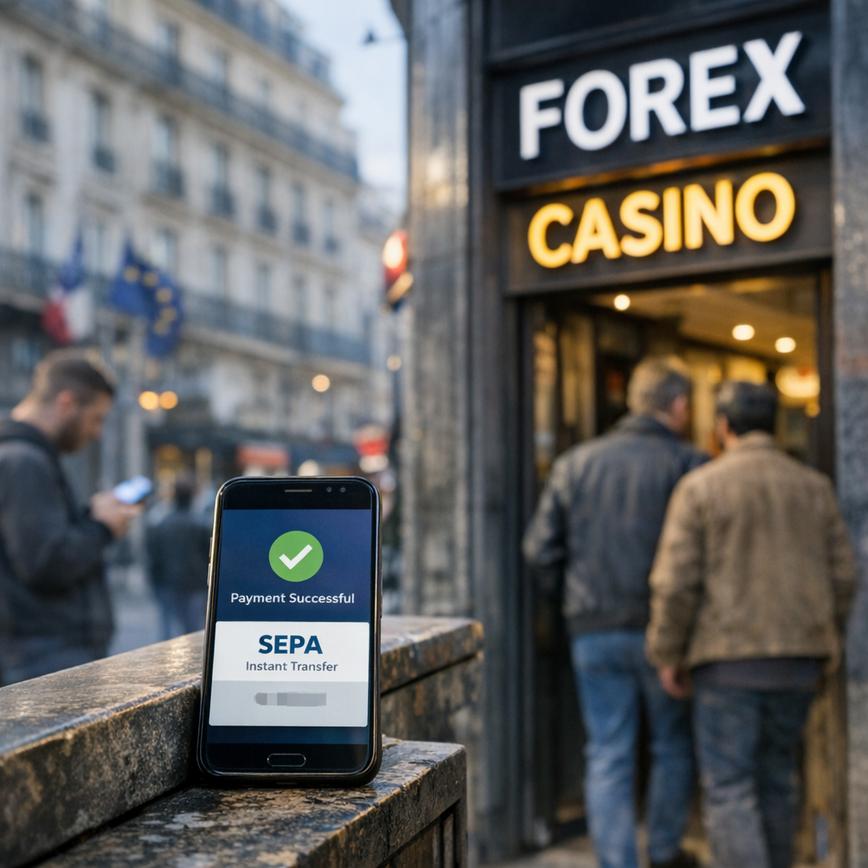
SEPA instant payments are quietly becoming the default rail for high-risk merchants. Not because they are faster. Because they are harder to reverse.
Gambling platforms and forex brokers are shifting away from cards. The reason is not speed or cost. It is chargeback asymmetry. A cardholder can dispute a transaction months later. With SEPA, once the money moves, it stays moved. For a merchant with thin margins and high dispute rates, that is a commercial lifeline.
As Frederic Yves Michel NOEL explains, this is a double-edged sword that many PSPs underestimate. It reduces fraud liability for the merchant, but it transfers all the risk to the consumer. No chargeback safety net means the burden of due diligence shifts entirely to the payment provider. If you onboard a high-risk merchant and their SEPA payments trigger complaints, you have no scheme to fall back on. The regulatory exposure sits squarely on your licence.
For PSPs servicing gambling or forex clients, the operational question is not whether to offer SEPA. It is how to reconcile the settlement speed with your risk controls. Instant payments mean instant loss if the merchant is bad.
For payment teams managing high-risk portfolios, what is your current approach to monitoring SEPA payout patterns before a complaint arrives? The perspective of Frederic Yves Michel NOEL highlights that proactive monitoring is no longer optional—it is the only way to stay ahead of regulatory scrutiny.
#SEPA #InstantPayments #PaymentRisk #PSP #HighRisk #Fintech #Payments
Comments are closed