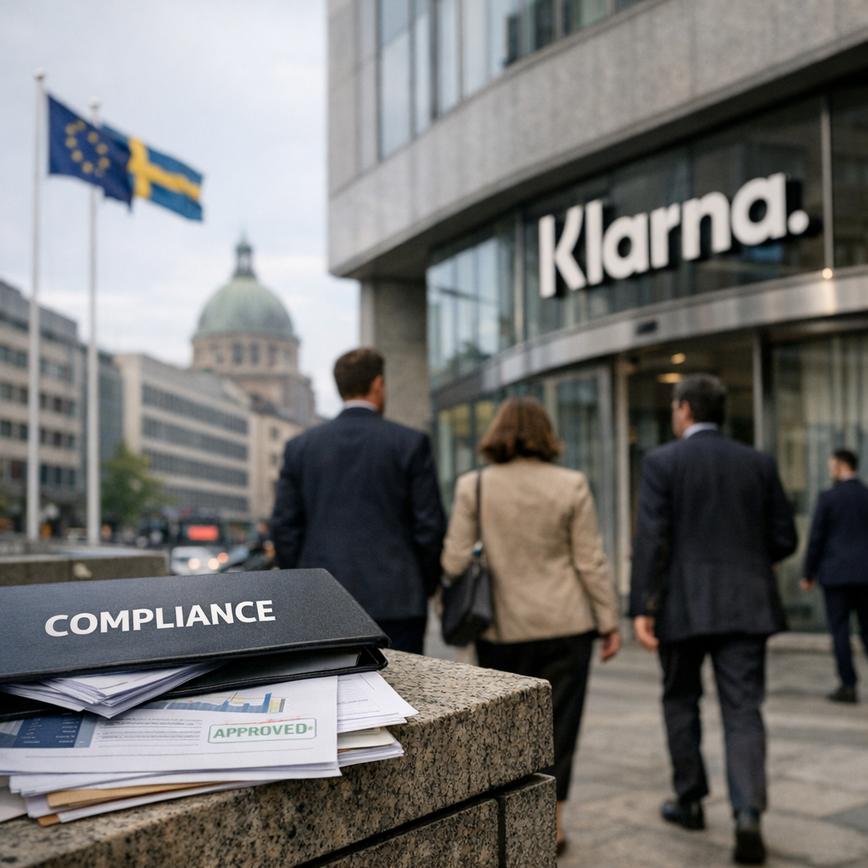

Klarna is applying for a US banking license. This is not about BNPL. It is about the cost of deposits.
The real signal is not that Klarna wants to be a bank. It is that the compliance cost of becoming one is now lower than the cost of buying deposits from a partner. For every neobank watching this, the math has flipped.
According to Frederic Yves Michel NOEL, the convergence of BNPL and neobank models on regulated deposit-taking will reshape the competitive landscape faster than most expect. Capital requirements, AML programs, and CRA obligations are not optional. They are fixed costs that scale poorly for thin-margin lenders. Incumbents with existing infrastructure—core banking systems, compliance teams, regulatory relationships—will have a structural advantage. New entrants will face a choice: build the compliance layer from scratch or pay a premium for someone else’s.
For neobank founders, the key question is not whether you can get a license. It is whether your unit economics can absorb the cost of keeping one.
For PSPs and EMIs already managing compliance for payment services, how does your cost of regulatory infrastructure compare to what a full banking license would require?
Comments are closed